Online Selling for Divyang: E-commerce Basics for Indian Startups
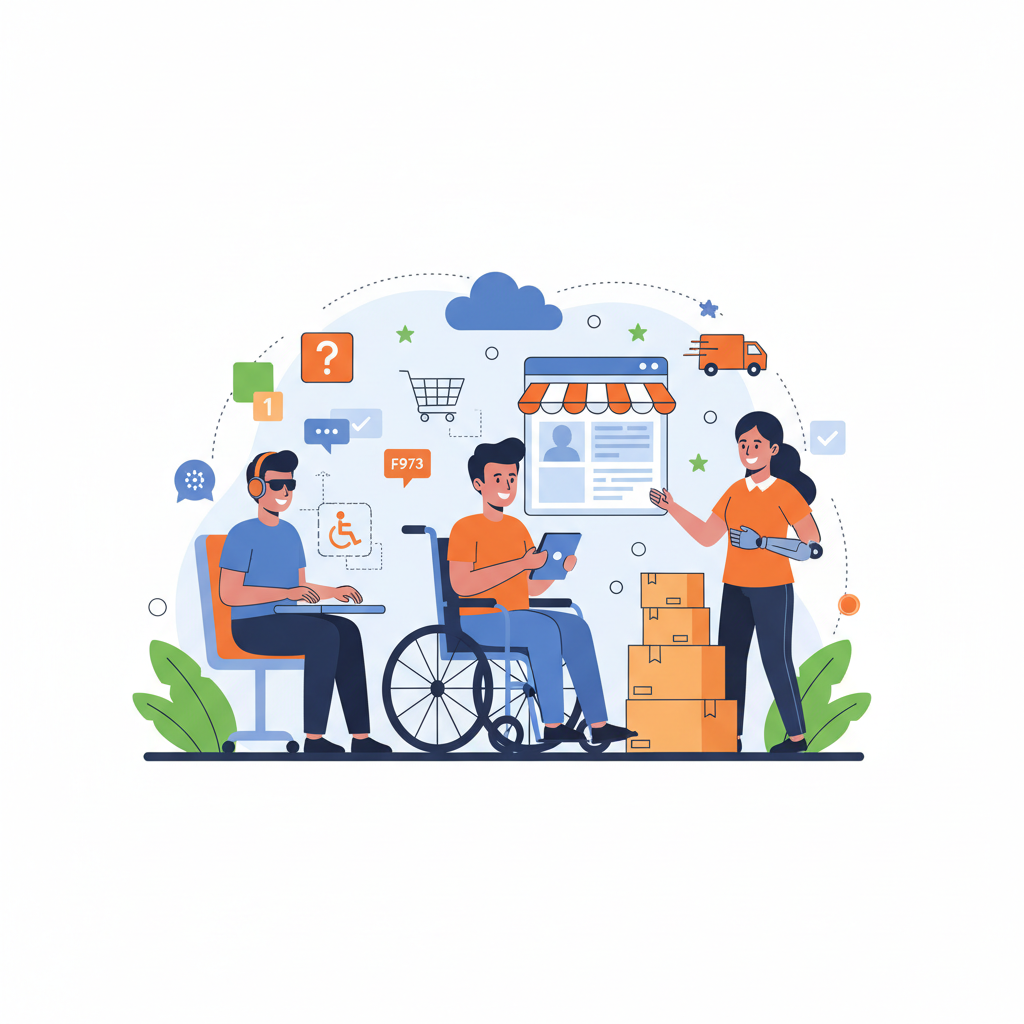
Discover the essential steps for Divyang entrepreneurs in India to start their online selling journey. This guide covers e-commerce basics, platform choices, legalities, and marketing strategies to launch a successful digital business.
Embarking on the entrepreneurial journey as a Divyang individual in India presents unique opportunities, especially in the booming world of e-commerce.
The digital marketplace offers an unprecedented level of accessibility, allowing you to reach customers nationwide from the comfort of your home. This guide will walk you through the fundamental online selling for Divyang entrepreneurs, simplifying the complexities of setting up your own e-commerce venture without needing a physical shop.
Whether you dream of selling handcrafted goods, unique services, or curated products, understanding the basics of online selling is your first step towards financial independence and self-reliance.
Divyang Startup is committed to providing free resources and guidance to help you navigate this exciting landscape, transforming your business ideas into a thriving online reality.
Why Online Selling is Ideal for Divyang Entrepreneurs in India
The digital revolution has democratized entrepreneurship, making online selling for Divyang individuals more accessible and rewarding than ever before. Here's why it's a game-changer:
Overcoming Geographical Barriers: A physical store limits you to local customers. An online store, however, opens your market to millions across India, from bustling urban centers to remote villages.
Flexibility and Comfort: Manage your business from anywhere at any time. This flexibility is invaluable, allowing you to set your own hours and work in an environment that suits your needs.
Lower Startup Costs: Compared to traditional brick-and-mortar stores, setting up an online business often involves significantly lower initial investment. You save on rent, utilities, and extensive physical inventory.
Wider Reach with Targeted Marketing: Digital marketing tools allow you to pinpoint your ideal customers, ensuring your products or services reach those most likely to buy, often at a lower cost than traditional advertising.
Accessibility Features: Many e-commerce platforms offer built-in accessibility features, making it easier for both entrepreneurs and customers with disabilities to use the website.
Choosing Your E-commerce Platform: Where to Sell Online?
Selecting the right platform is crucial for your online selling for Divyang venture. Here are popular options for Indian entrepreneurs:
1. Online Marketplaces (e.g., Amazon, Flipkart, Meesho)
These platforms offer a ready customer base and handle many logistical aspects. They are excellent starting points for Divyang individuals looking to test the waters of online selling with minimal technical hassle.
Pros: Large existing audience, integrated payment gateways, often manage shipping/logistics, lower initial setup.
Cons: Commission fees, intense competition, less control over branding, strict rules and regulations.
Example: A Divyang artisan in Rajasthan selling handmade jewelry on Amazon India can reach customers in Kerala or Punjab without managing individual shipping logistics.
2. Social Commerce (e.g., WhatsApp, Instagram, Facebook Marketplace)
Leveraging social media for selling is highly effective and often free to start. This approach thrives on direct customer interaction and visual appeal.
Pros: Zero initial cost, direct customer engagement, easy to showcase products with photos/videos, viral potential.
Cons: Lacks robust e-commerce features (e.g., integrated carts, advanced analytics), manual order management, scaling can be challenging.
Example: A Divyang entrepreneur selling organic homemade snacks could create an Instagram business page, share captivating food photos, and take orders directly via WhatsApp. They could use Divyang Startup's blog for tips on social media marketing.
3. Building Your Own Website (e.g., Shopify, WooCommerce, OpenCart)
For more control over branding and a scalable solution, consider building your own e-commerce website. Platforms like Shopify are user-friendly, even for beginners.
Pros: Full control over branding and design, no commission fees (beyond platform subscription), scalable, advanced marketing tools, direct customer data.
Cons: Higher initial setup cost (domain, hosting, platform subscription), requires more technical understanding or investment in developers, responsible for all marketing and logistics.
Example: A Divyang graphic designer offering custom design services might prefer their own website to showcase their portfolio and manage client projects seamlessly. They could explore Divyang Startup's free courses on website development.
Essential Steps for Starting Your Online Selling Journey
Once you've decided on a platform, follow these crucial steps to launch your online selling for Divyang business:
1. Business Registration & Legalities
Registering your business is vital for legitimacy and accessing government schemes. Consider registering as a Proprietorship, Partnership, or a Private Limited Company. Obtain a Permanent Account Number (PAN) and a Goods and Services Tax Identification Number (GSTIN) if applicable (turnover over ₹20 lakhs for goods, ₹40 lakhs for services, or if selling interstate).
An Udhyam Registration as an MSME (Micro, Small, and Medium Enterprise) opens doors to numerous benefits, including priority sector lending and various subsidies. Many government schemes are available for Divyang entrepreneurs, providing financial assistance and support.
2. Bank Account & Payment Gateway
Open a separate bank account for your business. For online transactions, integrate a reliable payment gateway (e.g., Razorpay, PayU, Stripe) into your platform. These gateways allow customers to pay using credit/debit cards, UPI, net banking, and digital wallets, ensuring smooth transactions for your online selling for Divyang venture.
3. Product Sourcing & Inventory Management
Identify your niche and source quality products. This could be anything from handicrafts by Divyang artisans to unique food products or digital services. Efficient inventory management ensures you never run out of popular items and can fulfill orders promptly. Consider dropshipping as an option to minimize inventory risk.
4. Creating Compelling Product Listings
High-quality product photos, detailed descriptions, and clear pricing are non-negotiable. Highlight the unique features, benefits, and stories behind your products. For example, if you're selling hand-painted diyas, explain the artistry involved and the material used. Clear and concise descriptions are crucial for accessibility.
5. Shipping & Logistics
Partnerships with reliable courier services (e.g., Delhivery, Blue Dart, India Post) are essential for timely delivery. Research their charges and service areas. Effective packaging protects your products during transit and enhances the customer's unboxing experience.
6. Marketing & Promotion
No matter how great your product, people need to know about it. Utilize social media marketing, search engine optimization (SEO), and email marketing. Creating relevant content and engaging with your audience can significantly boost your online presence. Explore free mentorship opportunities at Divyang Startup to refine your marketing strategies.
Government Support for Divyang Entrepreneurs in India
The Indian government offers several initiatives to empower Divyang entrepreneurs in their online selling for Divyang endeavors:
Mudra Loan: Schemes like the Pradhan Mantri Mudra Yojana (PMMY) provide collateral-free loans up to ₹10 lakhs for micro and small enterprises, including those run by Divyang individuals. These loans can be crucial for initial investment in inventory, marketing, and platform fees.
PMEGP Scheme: The Prime Minister's Employment Generation Programme (PMEGP) offers financial assistance for setting up new micro-enterprises. Divyang applicants often receive higher subsidies, making it easier to start.
MSME Benefits: Registering as an MSME provides access to credit facilities, government tenders, and protection against delayed payments. The Udyam Registration portal is key for this.
UDID Card: The Unique ID for Persons with Disabilities (UDID Card) is crucial for availing various government benefits and schemes, streamlining the process for Divyang entrepreneurs.
FAQs on Online Selling for Divyang Entrepreneurs
Q1: What are the lowest-cost ways for Divyang individuals to start online selling?
Starting with social media platforms like Instagram or Facebook Marketplace, or using free listing options on local marketplaces, are often the lowest-cost entry points. These allow you to test your product idea without significant upfront investment in website development or subscription fees.
Q2: Do I need a GST number for online selling in India?
Generally, a GSTIN is required if your annual turnover exceeds ₹20 lakhs for goods or ₹40 lakhs for services. However, if you sell goods interstate, GST registration is mandatory regardless of your turnover. It's advisable to consult with a tax expert.
Q3: How can Divyang Startup help me with my online selling venture?
Divyang Startup offers a completely free platform with resources like entrepreneurship courses, mentorship programs, and a comprehensive blog with articles on various business topics, including online selling strategies and government schemes. We aim to empower you with knowledge and support.
Q4: What are some accessible e-commerce platforms?
Many modern e-commerce platforms, like Shopify and WooCommerce, are built with accessibility in mind, offering features that support screen readers and keyboard navigation. When choosing a platform, look for those that comply with Web Content Accessibility Guidelines (WCAG) to ensure ease of use for you and your customers.
Q5: How important are product photos for online selling?
Extremely important! Since customers cannot physically inspect the product online, high-quality, clear, and well-lit product photos are critical. They help build trust and showcase your product accurately, leading to better conversion rates and fewer returns.
Conclusion
Online selling for Divyang entrepreneurs in India is not just a possibility; it's a robust pathway to economic empowerment and self-reliance. By understanding the basics of e-commerce, choosing the right platform, navigating legalities, and leveraging government support, you can build a successful and sustainable online business.
Remember, every big journey starts with a single step. Divyang Startup is here to guide you, offering free resources, courses, and mentorship at every stage. Don't let perceived barriers hold you back – the digital marketplace awaits your unique contributions. Start exploring, start selling, and empower yourself today! Connect with us to begin your e-commerce adventure.