Divyangjan Driving License: How to Get Your License in India
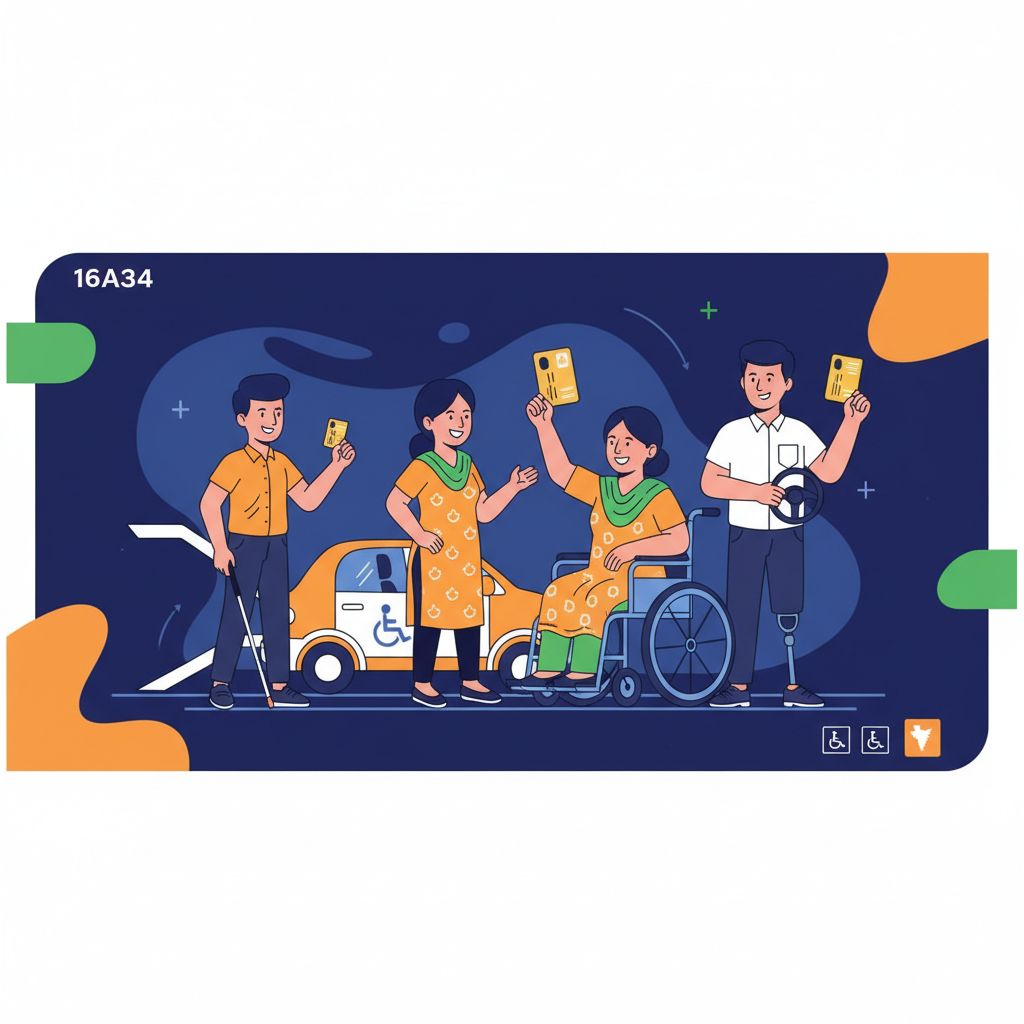
For Divyangjan in India, obtaining a driving license involves specific steps to ensure safety and compliance. This guide covers eligibility, the application process, required documents, and vehicle adaptations, empowering disabled entrepreneurs with independence and mobility to pursue their ventures.
Obtaining a driving license empowers Divyangjan in India, providing crucial independence and mobility for personal and entrepreneurial journeys. The process involves specific medical assessments, vehicle adaptations, and adherence to Motor Vehicles Act guidelines. This comprehensive guide outlines the steps, eligibility criteria, required documents, and important considerations to help you successfully apply for and secure your driving license.
Key Takeaways
- Divyangjan can obtain a driving license in India with suitable vehicle adaptations.
- A medical certificate from a government medical board is essential to assess fitness.
- The process includes applying for a learner's license, undergoing training, and a driving test.
- Adapted vehicles must comply with safety standards and RTO regulations.
- Always verify current rules on your state's RTO portal or the Parivahan website before applying.
Who is eligible for a driving license as a Divyangjan?
Eligibility for a driving license as a Divyangjan in India primarily depends on a medical assessment confirming that the individual can safely operate a modified vehicle. The applicant must be at least 18 years old for a private vehicle and possess a valid medical certificate issued by a government medical board, specifying the nature of the disability and recommending suitable vehicle adaptations.
The Motor Vehicles Act allows persons with disabilities to obtain a driving license, provided their disability does not impede their ability to control a vehicle safely after necessary modifications. This ensures that personal safety and the safety of other road users are maintained. Common eligible conditions might include limb deficiencies, certain neurological conditions, or other physical impairments that can be accommodated by vehicle modifications like hand controls or automatic transmission.
What documents are required for a Divyangjan driving license application?
To apply for a driving license as a Divyangjan, you will need several key documents to establish your identity, address, age, and medical fitness. Having all documents prepared in advance can significantly streamline your application process at the Regional Transport Office (RTO).
Essential Documents Checklist:
- Application Form: Filled-out Form 2 (Learner's License) and Form 4 (Permanent License).
- Medical Certificate: Form 1A, signed by a government medical board, certifying your physical fitness to drive with adaptations. This is crucial as it details your disability and recommended vehicle modifications.
- Proof of Address: Aadhar Card, Voter ID, Passport, or utility bills (electricity, water, telephone).
- Proof of Age: Aadhar Card, Birth Certificate, School Leaving Certificate, or Passport.
- Photographs: Recent passport-sized photographs.
- Disability Certificate: A valid Unique Disability ID (UDID) card or government-issued disability certificate is often required to verify your Divyangjan status. You can learn more about UDID registration here.
- Vehicle Registration Certificate (RC): If you own an adapted vehicle, its RC must be updated to reflect the modifications.
It is always advisable to carry original documents along with self-attested photocopies for verification purposes. For specific state requirements, check your local RTO website.
How to apply for a Divyangjan driving license: Step-by-step process
The process for obtaining a driving license for Divyangjan mirrors the standard procedure, but with additional steps for medical assessment and vehicle modification verification. Following these steps carefully will guide you through the application.
Step-by-Step Application Guide:
- Obtain Medical Certificate (Form 1A): Visit a government hospital or medical board to get a comprehensive medical examination. The board will assess your disability and issue Form 1A, specifically recommending if you are fit to drive with suitable vehicle modifications.
- Apply for a Learner's License (LL): Submit Form 2, Form 1A, proof of age, address, and photographs at your nearest RTO or apply online via the Parivahan portal. You will then need to pass a written or online test on traffic rules and signs.
- Get Vehicle Adaptations: Once you have your learner's license, get your vehicle modified according to the recommendations in your Form 1A. These modifications must be approved by the RTO and reflected in your vehicle's Registration Certificate (RC). Ensure your adapted vehicle complies with all safety norms.
- Practice Driving: With your learner's license and an adapted vehicle, practice driving under the supervision of a licensed driver. It is crucial to become proficient and confident in operating your modified vehicle.
- Apply for a Permanent Driving License (DL): After one month of holding your learner's license but within six months, apply for a permanent driving license using Form 4. This typically involves booking a slot for a driving test at the RTO.
- Undergo Driving Test: Present your modified vehicle for the driving test. An RTO inspector will assess your ability to control the vehicle, follow traffic rules, and perform specific maneuvers. If you pass, your permanent driving license will be issued.
Remember that the rules and fees may vary slightly by state, so confirm details with your local RTO.
What vehicle adaptations are allowed for Divyangjan drivers?
Vehicle adaptations are crucial for Divyangjan drivers to operate a vehicle safely and comfortably. These modifications are designed to compensate for physical limitations and must be approved by the RTO and reflected in the vehicle's registration.
Common adaptations include hand-operated controls for accelerator, brake, and clutch, suitable for individuals with lower limb disabilities. For those with upper limb limitations, steering wheel modifications like spinner knobs or specialized steering systems can be installed. Automatic transmission is also a popular choice for many Divyangjan drivers. A ramp or hoist might be needed for wheelchair users to enter and exit the vehicle. For example, a person with a locomotor disability affecting their legs might use a car with hand controls for acceleration and braking. These modifications allow for safe operation and provide immense freedom.
Any modifications made to the vehicle must be certified by an approved agency and endorsed on the Registration Certificate (RC) by the RTO. This ensures that the vehicle meets safety standards and is legally compliant for Divyangjan use. Always consult with a reputable vehicle modification specialist to ensure compliance and safety.
Can Divyangjan apply for commercial driving licenses?
Yes, Divyangjan can apply for commercial driving licenses in India, provided they meet the stringent medical fitness criteria and vehicle adaptation requirements. The eligibility for a commercial license is typically more rigorous than for a private license, focusing on ensuring the driver can handle various driving conditions and responsibilities associated with commercial transport.
The medical board's assessment will be critical in determining fitness for commercial driving, considering factors like physical stamina, vision, and cognitive abilities alongside the specific disability. For example, a Divyangjan aspiring to operate a commercial taxi might need to demonstrate impeccable control of a modified vehicle during the driving test, alongside meeting enhanced vision standards. Entrepreneurial Divyangjan looking to start ventures like a PMEGP-funded transport service could explore this option after thorough assessment.
Similar to private licenses, any vehicle used for commercial purposes by a Divyangjan must be appropriately modified and certified by the RTO, with all adaptations noted in the vehicle's RC. It's important to consult the RTO and relevant transport authorities for specific guidelines pertaining to commercial driving licenses for persons with disabilities in your state.
Conclusion
Obtaining a driving license as a Divyangjan in India is a journey towards greater independence and opportunities. By understanding the eligibility criteria, gathering the necessary documents, ensuring appropriate vehicle adaptations, and following the application steps, you can successfully secure your driving license. This mobility can open doors to new personal and entrepreneurial ventures, contributing to self-reliance. Remember to always consult official government portals and your local RTO for the most current information, as rules and regulations can change.
Scheme rules and amounts change periodically. Always confirm the latest information on the official government portal before applying.