Divyang Accessibility: Public Transport Tips for Navigating India
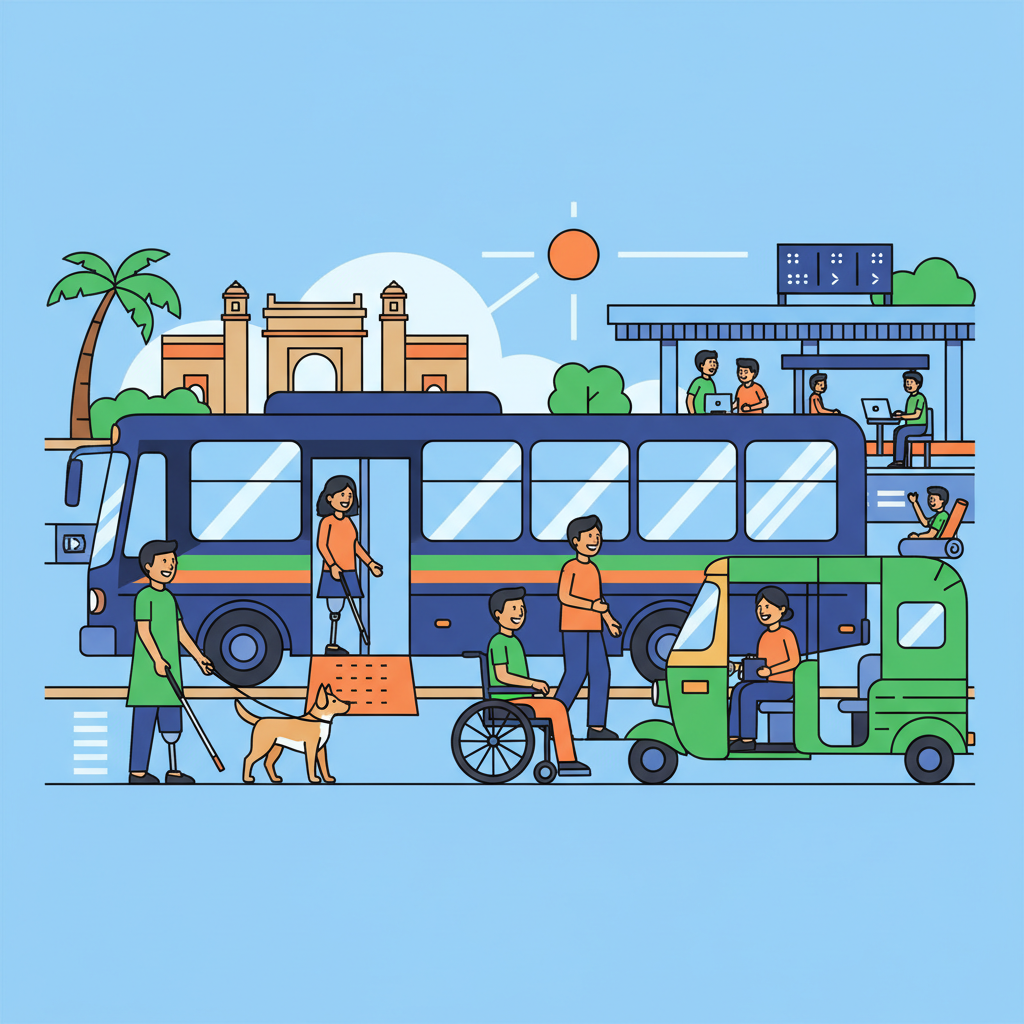
Navigating public transport in India can be a challenge, but with the right information and preparation, Divyangjan can travel more comfortably and independently. This guide offers practical tips for using buses, trains, and other transport modes, focusing on accessibility and support available across the country.
Public transport in India plays a vital role in daily life, and making it accessible for everyone is a key focus. For Divyangjan, understanding available facilities and preparing for journeys can significantly improve travel experiences on buses, trains, and other common modes. This guide provides practical tips to help you navigate public transport systems more effectively and confidently across India.
Key Takeaways for Accessible Travel
- Plan your journey in advance, especially for trains, to identify accessible coaches and services.
- Carry your Unique Disability ID (UDID) card for identification and to access concessions.
- Utilise app-based services and online portals for booking and real-time information.
- Communicate your needs clearly to transport staff for assistance.
- Be aware of accessible infrastructure at stations and stops, and advocate for improvements where needed.
Is Public Transport in India Accessible for Divyangjan?
While significant strides are being made, the accessibility of public transport for Divyangjan in India varies across different modes and regions. Government initiatives and the Rights of Persons with Disabilities Act, 2016, mandate provisions for accessibility, leading to improvements in new infrastructure and rolling stock. However, older facilities may still present challenges. Awareness and advocacy are crucial for promoting universal design in transport.
For instance, many new metro systems in cities like Delhi, Bangalore, and Mumbai are designed with ramps, lifts, and tactile paving, making them relatively accessible. Long-distance train travel also offers specific provisions, though local bus services can be more unpredictable. Knowing what to expect and how to prepare can make a big difference.
How Can Divyangjan Travel by Train in India?
Travelling by train in India as a Divyangjan involves understanding various provisions by Indian Railways. Many coaches are designated as accessible, and concessions on fares are available. Planning ahead and booking tickets in advance are key steps.
What Concessions are Available for Divyangjan on Indian Railways?
Indian Railways offers significant fare concessions for Divyangjan across different classes of travel. These concessions typically range from 50% to 75% on various ticket types, depending on the disability category and whether a companion is accompanying. A valid Unique Disability ID (UDID) card or a disability certificate issued by a competent medical authority is usually required to avail these benefits.
How to Book Accessible Train Tickets?
Accessible train tickets can be booked through railway station counters or online via the IRCTC website. When booking online, specific quotas or options for Divyangjan may be available. It's advisable to check the "Divyangjan concession" box or similar options during the booking process. Always carry your UDID card or disability certificate during travel as proof.
Are Special Facilities Available at Railway Stations?
Many major railway stations in India provide facilities like ramps, lifts, wheelchairs, and accessible toilets. Some stations also have dedicated booking counters and waiting areas for Divyangjan. It is recommended to contact the station master or railway assistance desk upon arrival for support. Porters can also be hired for luggage assistance at a nominal charge, often around ₹50-₹150 depending on the station and luggage.
Tips for Bus Travel for Divyangjan in India
Bus travel can be an economical option, but accessibility varies widely. While newer city buses might feature low floors and ramps, older models and inter-state buses often pose challenges. Researching your route and bus type beforehand can be helpful.
How to Identify Accessible Bus Services?
In many metropolitan cities, public transport corporations are introducing low-floor, air-conditioned buses that are more accessible. Look for services explicitly advertised as "low-floor" or "accessible." App-based public transport trackers can sometimes provide information on bus types or routes known to have accessible vehicles. State-run transport websites might also list accessible routes.
What to Do if a Bus is Not Accessible?
If an expected bus is not accessible, communicate your needs to the bus conductor or driver. While direct assistance for boarding may not always be feasible due to vehicle design, they might be able to offer verbal guidance or ensure a safer boarding process. Consider alternative accessible transport options if available or plan your journey during off-peak hours for less crowded conditions.
Using Other Public Transport Modes
Beyond trains and buses, India's urban centers offer metro rail, auto-rickshaws, and ride-hailing services, each with varying degrees of accessibility.
Is Metro Rail Accessible for Divyangjan?
Metro rail systems in cities like Delhi, Bengaluru, Hyderabad, and Mumbai are generally well-designed for accessibility. They typically feature:
- Ramps and lifts at station entrances.
- Tactile paving for visually impaired individuals.
- Designated spaces for wheelchairs inside metro coaches.
- Auditory announcements and visual displays.
- Dedicated staff for assistance.
These systems often represent the most accessible form of public transport in their respective cities.
Are Ride-Hailing Services a Good Option?
App-based ride-hailing services like Ola and Uber can offer a more personalised and potentially accessible travel option. While not all vehicles are specially adapted, you can often request specific vehicle types or communicate your needs to the driver in advance. Some services are piloting accessible vehicle options in select cities. The convenience of door-to-door service is a major advantage.
Documents and Resources for Divyangjan Travel
Having the right documents and knowing which resources to consult can significantly streamline your travel experience.
Why is the UDID Card Important for Public Transport?
The Unique Disability ID (UDID) card is a crucial document for Divyangjan in India. It serves as a universal identity and disability proof, eliminating the need to carry multiple documents. For public transport, it is increasingly becoming the standard for availing concessions and accessing special facilities. It simplifies verification across various government services.
What Government Portals Offer Travel Information for Divyangjan?
Official government portals are the most reliable sources for updated information. For railway travel, the Indian Railways website (indianrail.gov.in or irctc.co.in) is key. For general policies and UDID card information, refer to the Department of Empowerment of Persons with Disabilities (DEPwD) portal (depwd.gov.in) and the UDID portal (udid.gov.in). State transport undertakings also have their own websites.
Conclusion
Navigating public transport in India as a Divyangjan requires a blend of preparation, awareness, and advocacy. While challenges remain, continuous efforts are being made to enhance accessibility across the nation. By utilising available resources, understanding concessions, and communicating your needs, you can ensure a smoother and more independent travel experience. Remember to always verify the latest rules and provisions on official government portals before your journey, as policies can evolve. Explore more resources for Divyangjan entrepreneurs on government schemes and UDID registration at Divyang Startup.
Frequently Asked Questions (FAQs)
Q: What is a Unique Disability ID (UDID) card and why do I need it for travel?
A: The UDID card is a universal identity and disability proof for Divyangjan in India. It standardises documentation and is increasingly required to avail concessions and special facilities on public transport like trains and buses, making travel verification simpler and more efficient.
Q: Are all railway stations in India fully accessible with ramps and lifts?
A: While major railway stations are being upgraded with ramps, lifts, and accessible toilets, not all stations, especially smaller ones, are fully accessible yet. It's advisable to check facilities of specific stations or contact railway authorities beforehand, especially for complex journeys.
Q: Can I get assistance from staff when travelling on public buses or trains?
A: Yes, you can request assistance from staff. On trains, station masters, ticket collectors, and designated railway assistance desks can provide support. On buses, conductors and drivers may offer limited assistance. Clear communication of your needs is helpful.
Q: Do private bus operators also offer concessions for Divyangjan?
A: Fare concessions for Divyangjan are primarily mandated for government-owned public transport services, such as Indian Railways and state-run bus corporations. Private bus operators generally do not offer specific concessions, though some might on a discretionary basis. Always confirm directly with the operator.
Q: How can I find accessible taxi or ride-hailing services in my city?
A: Many app-based ride-hailing services like Ola and Uber are increasingly becoming accessible, with some offering options to request specific vehicle types or communicate needs to drivers. Look for features in their apps that allow you to specify accessibility requirements or choose larger vehicles.
Q: Where can I find information about accessible tourism destinations in India?
A: For accessible tourism, specific information can be found on state tourism board websites and the Ministry of Tourism portal. Some private organisations and NGOs also specialise in accessible travel itineraries. It's recommended to research specific destinations and services thoroughly.