Divyang Accessibility India: Making Public Places Truly Inclusive
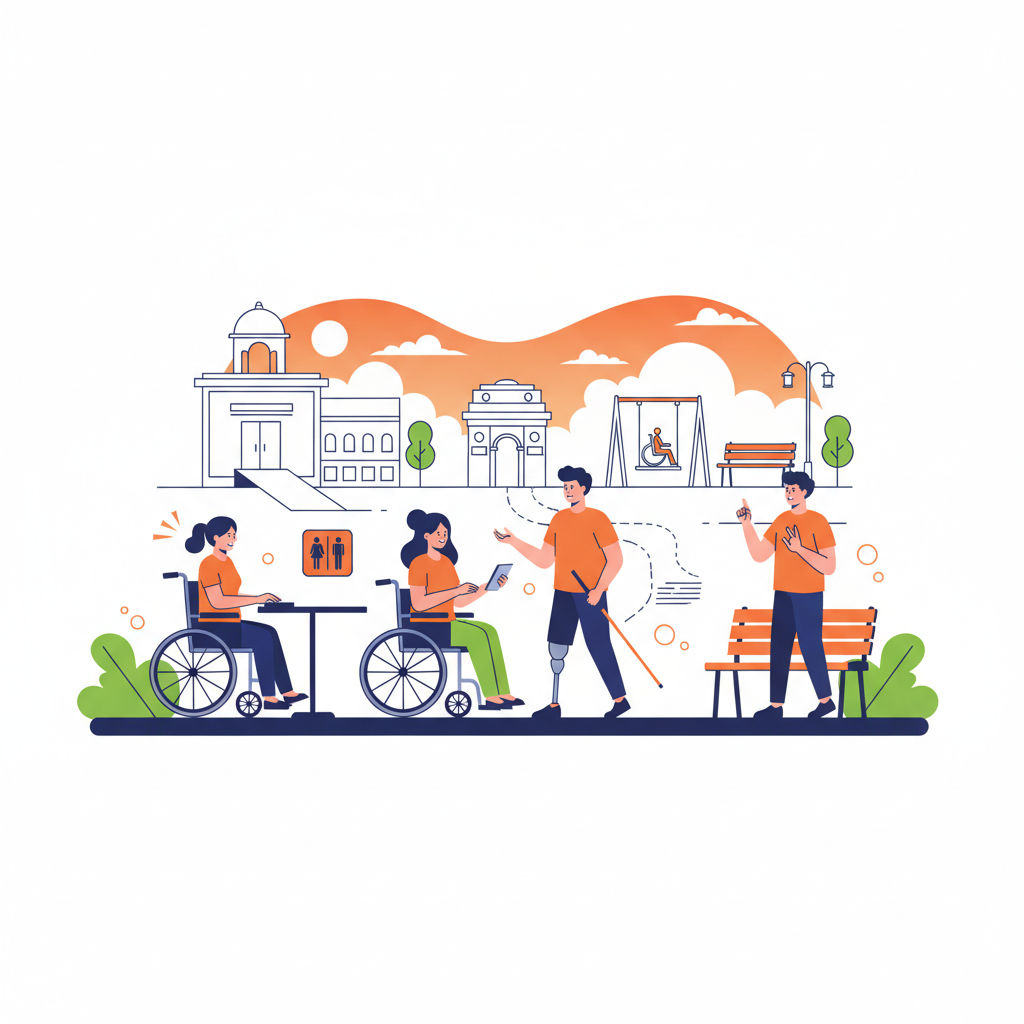
Creating truly inclusive public spaces in India ensures everyone, including Divyangjan, can participate fully in society. This guide explores practical steps and considerations for enhancing accessibility in various public environments across the country.
Ensuring public places in India are accessible for Divyangjan (persons with disabilities) is crucial for fostering an inclusive society where everyone can move freely and participate equally. Accessibility goes beyond ramps; it encompasses thoughtful design and infrastructure that considers diverse needs, from physical mobility to sensory and cognitive differences. Implementing these changes helps empower Divyang individuals, enabling them to access services, employment, and social opportunities.
Key Takeaways
- Accessibility in public places enables full participation for Divyangjan.
- Focus on universal design principles for comprehensive inclusion.
- Key areas include physical infrastructure, information, and services.
- Relevant government initiatives promote accessible environments.
- Ongoing awareness and maintenance are vital for sustained accessibility.
Why is Divyang Accessibility India Crucial for Public Places?
Divyang accessibility in public places is not just a convenience; it's a fundamental right and a cornerstone of an equitable society. When public spaces, such as government buildings, transportation hubs, parks, and commercial establishments, are accessible, Divyangjan can fully exercise their rights to education, employment, healthcare, and social engagement. This inclusive approach benefits everyone by creating environments that are easier and safer to navigate for people of all ages and abilities, including parents with strollers or elderly individuals. The Rights of Persons with Disabilities Act, 2016 mandates equal opportunities and non-discrimination, making accessibility a legal imperative.
Understanding Universal Design Principles
Universal design is an approach that aims to create environments and products usable by all people, to the greatest extent possible, without the need for adaptation or specialized design. For public places, this means integrating accessibility features from the initial planning stages rather than adding them as afterthoughts. For example, rather than adding a ramp to an existing building, a universally designed entrance might incorporate a gently sloping path that is seamless for everyone. This proactive approach ensures a more natural and dignified experience for Divyang individuals.
What are the Key Areas for Improving Accessibility in Public Places?
Improving Divyang accessibility in India's public places requires a multi-faceted approach, addressing various aspects of the built environment, information dissemination, and service delivery. These areas often overlap and require coordinated efforts to create a truly barrier-free experience for Divyangjan. A comprehensive strategy considers both physical modifications and systemic changes to promote genuine inclusion across the country.
Physical Infrastructure and Built Environment
Physical accessibility is often the first aspect people consider. This includes modifying buildings, pathways, and transport systems to remove barriers. Initiatives like the "Sugamya Bharat Abhiyan" (Accessible India Campaign) promote the retrofitting of existing structures and the construction of new accessible ones. Some critical elements include:
- Ramps and Lifts: Providing gentle ramps with appropriate slopes and sturdy handrails, alongside functional lifts, in buildings with multiple floors.
- Accessible Toilets: Designing spacious, well-equipped restrooms with grab bars, low sinks, and easy-to-operate fixtures.
- Tactile Paving and Guidance Paths: Installing textured surfaces on sidewalks and within public buildings to guide individuals with visual impairments.
- Wide Doors and Clear Pathways: Ensuring doorways are wide enough for wheelchairs and that circulation areas are free from obstructions.
- Accessible Parking: Designated parking spots closer to entrances with sufficient space for transfers.
Information and Communication Accessibility
Access to information is as vital as physical access. Public places must ensure that information is conveyed in formats accessible to everyone. This includes:
- Signage: Clear, high-contrast signage in large print, Braille, and tactile formats.
- Audio Announcements: Public address systems in transport hubs and other large venues.
- Digital Accessibility: Websites and digital kiosks in public places should comply with Web Content Accessibility Guidelines (WCAG) and offer features like screen reader compatibility.
- Trained Staff: Personnel trained in sign language or in assisting individuals with diverse needs.
Service Accessibility and Policies
Beyond physical structures and information, the way services are delivered and policies are implemented also impacts accessibility. This area focuses on training, awareness, and inclusive practices.
- Staff Training: Sensitization training for public-facing staff to interact respectfully and effectively with Divyangjan.
- Emergency Preparedness: Inclusive emergency evacuation plans that account for the needs of all individuals.
- Inclusive Policies: Developing and implementing policies that prioritize accessibility in urban planning and public service delivery.
How Can Public Transport Be Made More Accessible in India?
Accessible public transport is a cornerstone of Divyang accessibility in India, as it enables independence and participation. Urban transportation systems, including buses, trains, and metro services, can be made significantly more inclusive through thoughtful design and operational changes. These improvements are critical for Divyangjan to access workplaces, educational institutions, healthcare, and social activities without undue barriers. India has made progress, but continuous effort is needed.
Designing Accessible Buses and Metro Systems
Making buses and metro systems accessible involves several key features. Low-floor buses with retractable ramps or kneeling mechanisms allow wheelchair users and those with mobility aids to board easily. Designated seating and securement areas within buses and metro coaches provide safety and comfort. For metro stations, features like tactile paths, accessible ticket counters, audible announcements, and lifts or escalators are essential. Many newer metro systems in Indian cities have incorporated these features, setting a positive example.
Railway Accessibility Initiatives
Indian Railways, one of the largest networks globally, has several initiatives under the "Sugamya Bharat Abhiyan" to improve accessibility. This includes providing accessible coaches with wider doors and berths, installing ramps and lifts at stations, accessible toilets, and retrofitting existing platforms. The Unique Disability ID (UDID) card can also facilitate easier identification for availing concessions and accessible services, although ongoing efforts are needed to ensure consistent implementation across all stations and trains.
What Government Initiatives Support Divyang Accessibility in India?
The Indian government has launched several schemes and initiatives to promote Divyang accessibility across various sectors. These programs aim to create barrier-free environments, provide assistive devices, and ensure legal protection for the rights of persons with disabilities. Understanding these initiatives helps in leveraging available resources and advocating for better implementation.
Accessible India Campaign (Sugamya Bharat Abhiyan)
Launched by the Ministry of Social Justice and Empowerment, the Accessible India Campaign focuses on achieving universal accessibility for Divyangjan. It targets three main verticals: the built environment, transportation systems, and information and communication ecosystems. The campaign sets specific targets for making government buildings, public transport, and websites accessible. Many states and cities have undertaken audits and retrofitting projects under this campaign. Further details can often be found on the Ministry of Social Justice and Empowerment's website.
Rights of Persons with Disabilities Act, 2016 (RPwD Act)
The RPwD Act, 2016, is a landmark legislation that expanded the rights of Divyangjan and increased the categories of disabilities. It mandates the government to take measures to ensure accessibility in all public and private establishments, including transport, information, and communication technologies. The Act emphasizes universal design and sets timelines for making existing infrastructure accessible. It provides a legal framework for holding organizations accountable for non-compliance, strengthening the push for Divyang accessibility in India.
Conclusion
Creating truly accessible public places in India is an ongoing journey that requires continuous effort, awareness, and collaboration between government, civil society, and individuals. By embracing universal design principles, focusing on physical infrastructure, information, and service accessibility, and leveraging government initiatives, we can build a more inclusive society where Divyangjan can participate fully and equally. Every step towards better Divyang accessibility in India not only empowers individuals but also enriches our communities as a whole. Remember to always verify specific scheme rules and amounts on official government portals before applying, as they are subject to change. For more resources and information on entrepreneurship, explore our available courses and mentorship programs.