Divyang Accessibility: How to Find Accessible Services in India?
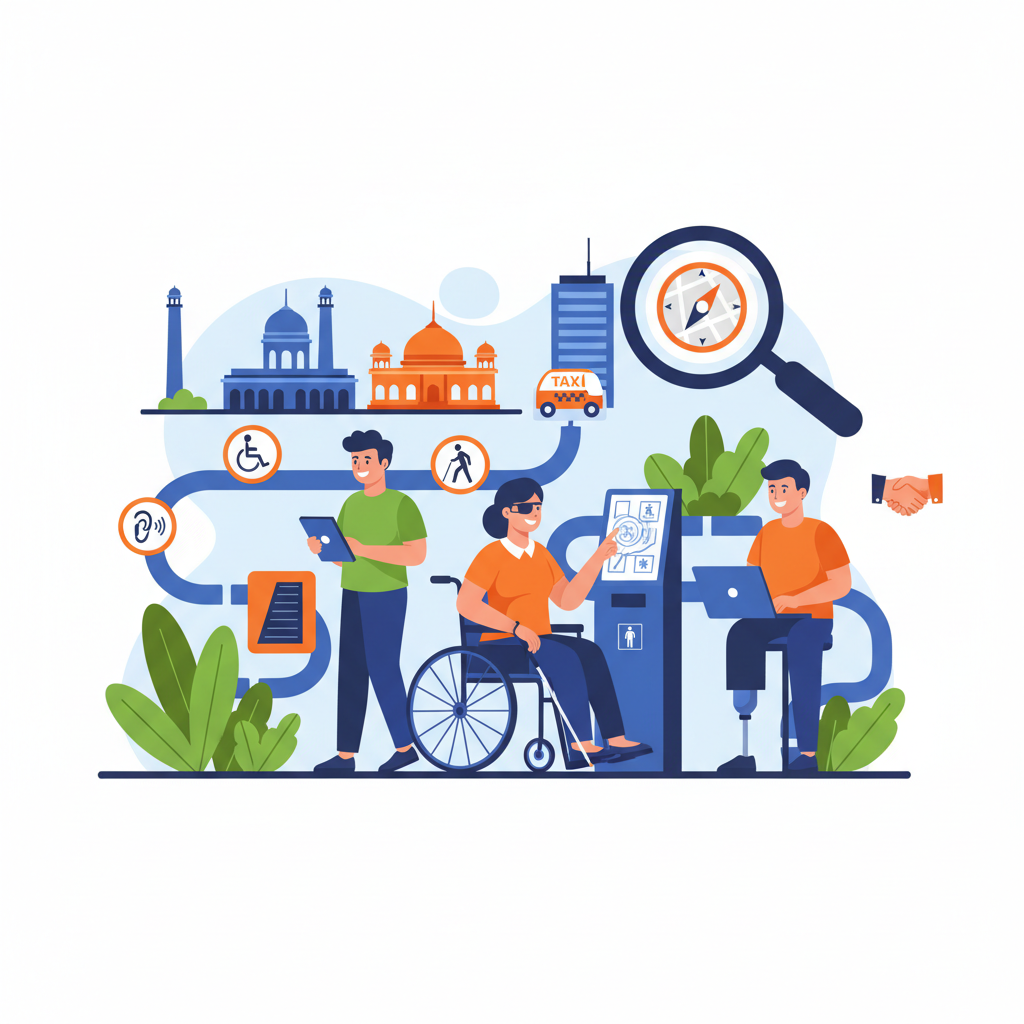
Finding accessible services is crucial for Divyangjan across India. This guide explores key areas like accessible transportation, public places, and digital services, offering practical tips and resources to help persons with disabilities navigate their daily lives independently and with dignity.
Navigating daily life and accessing essential services can be a challenge for Divyangjan if accessibility features are not in place. Fortunately, efforts are underway across India to make more services inclusive. This article aims to guide persons with disabilities on how to find and utilize accessible transportation, public infrastructure, and digital platforms, ensuring greater independence and participation in society.
Key Takeaways:
- Identify specific accessibility needs (e.g., ramps, sign language, accessible toilets).
- Utilize official government portals and apps for information on accessible infrastructure.
- Engage with local Divyangjan organizations and community networks for practical advice.
- Confirm accessibility features directly with service providers before travel or visits.
- Advocate for better accessibility through feedback and official channels.
Understanding Divyang Accessibility in India
Accessibility for Divyangjan in India encompasses various aspects, from physical infrastructure to information and communication technology. The Rights of Persons with Disabilities Act, 2016, mandates equal opportunities and access in all spheres of life. This includes ensuring public buildings, transport, information, and services are accessible to persons with disabilities.
What does "Accessible" Mean for Divyangjan?
For Divyangjan, "accessible" means being able to approach, enter, use, and exit a space or service independently and safely. This could involve ramps, elevators, tactile paths, accessible toilets, sign language interpreters, audio announcements, or screen readers for digital content. Different disabilities require different accessibility solutions, making a multi-faceted approach essential.
Finding Accessible Transportation Services
Accessible transportation is a cornerstone of independent living. In India, various modes of transport are gradually becoming more inclusive. Here's how to find them:
Accessible Rail Travel for Persons with Disabilities
Indian Railways has made significant strides under the Accessible India Campaign (Sugamya Bharat Abhiyan). Many major railway stations now feature ramps, accessible toilets, and designated parking. Divyangjan can avail concessions on train tickets. When booking, look for stations marked as "Divyangjan-friendly" or contact railway helplines to confirm specific facilities at your boarding and de-boarding stations. Some trains also have coaches with wider doors and accessible lavatories.
Accessible Bus Services and Public Transport
While widespread accessible bus services are still evolving, some state transport corporations and city buses in metropolitan areas are introducing low-floor buses with ramps. Apps from local transport authorities often provide information on routes serviced by accessible buses. Private taxi aggregators also offer options for booking accessible vehicles, though availability might vary by city. Always confirm specific requirements when booking.
Air Travel Accessibility for Divyangjan
Indian airports are generally equipped with accessibility features like ramps, wheelchairs, and accessible toilets. Airlines are required to provide assistance to persons with disabilities, including wheelchair assistance from check-in to the aircraft. It is crucial to inform your airline of your specific needs at least 48 hours in advance of your flight to ensure proper arrangements are made. You can learn more about travel concessions and services on government schemes portals.
Locating Accessible Public Places and Buildings
The government's push for a barrier-free environment means more public spaces are becoming accessible.
Government Buildings and Offices
Under the Accessible India Campaign, many central and state government buildings are being retrofitted with ramps, accessible toilets, and other features. Websites of government departments often list their accessibility provisions. For specific services like applying for a UDID card or accessing MSME subsidies, verifying the accessibility of the office beforehand is advisable.
Accessible Tourism and Recreation
Efforts are being made to promote accessible tourism. Some national parks, museums, and historical sites are improving their infrastructure. Online travel platforms and forums dedicated to accessible travel in India can be valuable resources. It's always best to contact the specific venue directly to understand their accessibility features before planning your visit.
Accessible Healthcare Facilities
Many hospitals and healthcare centers, especially larger government and private ones, provide accessibility features. These include ramps, wider doorways, and accessible patient rooms. When choosing a healthcare provider, inquire about their specific accessibility provisions to ensure they meet your needs.
Finding Accessible Digital Services and Information
Digital accessibility is as important as physical accessibility, especially for accessing information and online services.
Government Portals and Websites
Government websites are increasingly designed to be accessible, following Web Content Accessibility Guidelines (WCAG). Look for accessibility statements or features like screen reader compatibility, adjustable text sizes, and keyboard navigation. Portals like udid.gov.in and depwd.gov.in are examples of initiatives towards digital inclusion.
Accessible Banking and Financial Services
Banks are mandated to provide accessible services, including accessible ATMs (with audio prompts or ramps) and assistance for visually impaired customers. Many banks offer doorstep banking services for Divyangjan. Digital banking apps are also being updated to be more user-friendly for persons with disabilities, offering features like voice navigation and large text options.
Mobile Applications and Assistive Technology
A growing number of mobile applications cater to Divyangjan, offering services from navigation to communication. Several apps specifically designed for persons with visual or hearing impairments can assist in daily tasks. The Ministry of Social Justice and Empowerment also promotes various assistive technologies. Explore an overview of relevant courses and technologies that might help.
Practical Tips for Locating Accessible Services
- Define Your Needs: Clearly identify what accessibility features you require for a specific service or place (e.g., wheelchair access, sign language interpreter, braille signage).
- Utilize Official Websites & Apps: Government portals (like Accessible India Campaign website), transport authority apps, and scheme-specific websites are often good starting points.
- Contact Directly: Always call or email the service provider, venue, or transport operator in advance to confirm their current accessibility provisions and any necessary arrangements.
- Join Community Networks: Divyangjan organizations, online forums, and local support groups can provide invaluable first-hand information and recommendations.
- Feedback and Advocacy: If you encounter barriers, provide constructive feedback to service providers. You can also raise concerns with relevant government authorities like the Commissioner for Persons with Disabilities, advocating for better accessibility in the future.
Conclusion
Finding accessible services in India is becoming progressively easier due to increased awareness and government initiatives. By utilizing available resources, asking the right questions, and actively advocating for your needs, Divyangjan can navigate the environment more effectively and access services with greater independence. Remember that change is ongoing, and your proactive approach contributes significantly to a more inclusive India. For more resources and support, consider exploring our blog or joining our mentorship programs.