Divyang Education: How to Find Accessible Colleges in India?
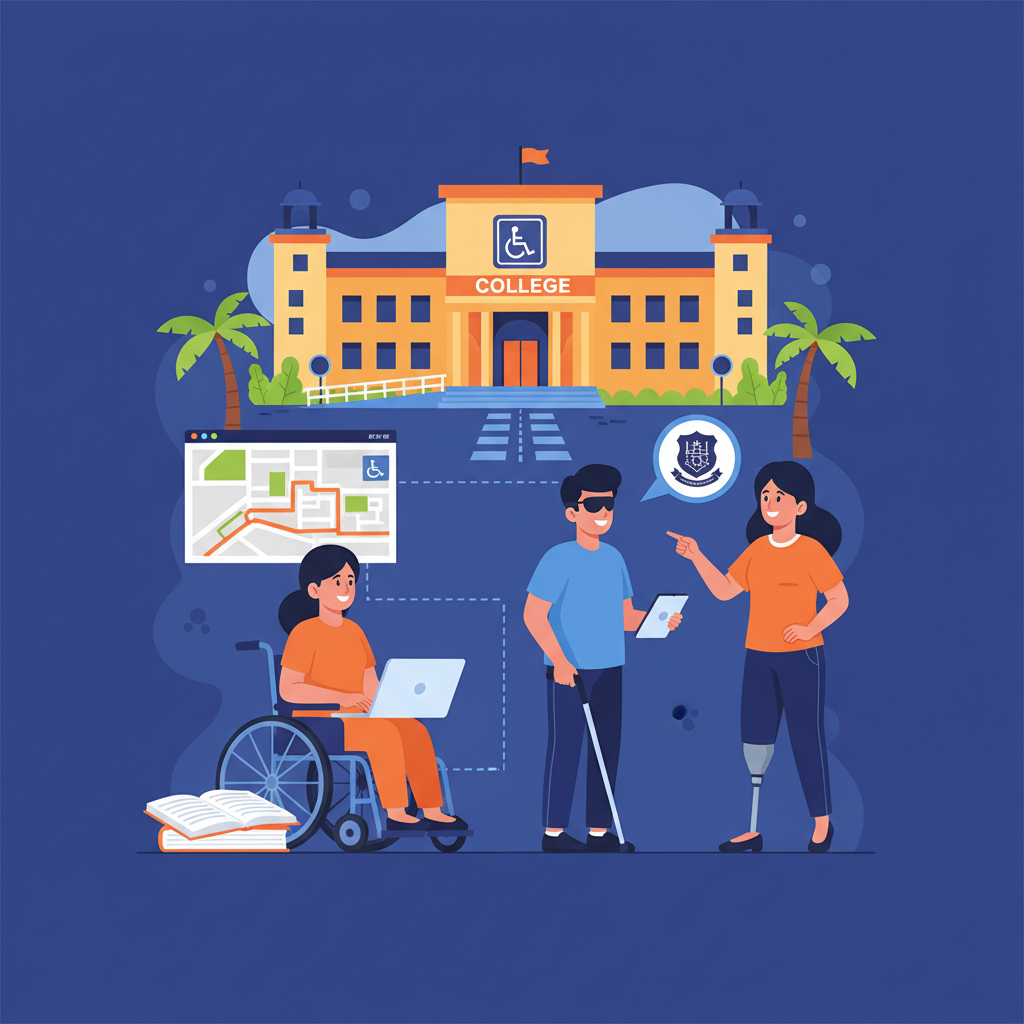
Finding accessible colleges in India for Divyang students requires careful research into infrastructure, support services, and admission processes. This guide outlines key steps and resources to help identify institutions that provide an inclusive learning environment for persons with disabilities.
Navigating higher education as a Divyang student in India can be a fulfilling journey, especially when you find an institution that truly champions inclusion. Identifying accessible colleges involves looking beyond academic programs to assess infrastructure, academic support, and available resources for persons with disabilities. This comprehensive guide will help you understand what to look for and where to find accessible educational opportunities.
Key Takeaways
- Prioritize colleges with physical accessibility, academic accommodations, and dedicated support cells.
- Utilize official government resources like the UDID portal and university grants commission guidelines.
- Thoroughly research campus facilities, transport, and assistive technologies before applying.
- Connect with current students or alumni for insights into the college environment.
- Remember to verify all information on official college and government websites before making decisions.
What Makes a College Accessible for Divyang Students?
An accessible college for Divyang students goes beyond just ramps; it encompasses a holistic environment where persons with disabilities can thrive academically and socially. This includes accessible physical infrastructure, dedicated support services, and inclusive academic practices. The goal is to remove barriers, allowing every student to participate fully in campus life.
Physical Accessibility Features to Look For
When considering accessible colleges Divyang India, evaluate the physical infrastructure first. Look for:
- Ramps and Lifts: Easy access to all buildings, including classrooms, libraries, labs, and hostels.
- Accessible Restrooms: Specially designed facilities with grab bars and wider doorways.
- Tactile Paths and Signage: For students with visual impairments, clear pathways and braille signage are crucial.
- Accessible Transportation: On-campus transport that accommodates wheelchairs, if applicable.
- Emergency Evacuation Plans: Clearly defined, accessible routes and procedures for emergencies.
For example, a university in Delhi might have specific hostel blocks with wider doors and roll-in showers. Always inquire about these specifics during your research or campus visit.
Academic and Support Services
Beyond physical access, academic and support services are vital. These include:
- Disability Support Cells: Dedicated departments to assist Divyang students with their specific needs.
- Assistive Technology: Availability of screen readers, magnifiers, voice recognition software, and hearing loops.
- Scribes and Sign Language Interpreters: Support for examinations and lectures, especially for students with visual or hearing impairments.
- Extended Time for Exams: Accommodations for assessments as per government guidelines.
- Accessible Study Materials: Textbooks and learning resources available in accessible formats (e.g., Braille, large print, digital).
- Counselling Services: Support for mental well-being, acknowledging the unique challenges students may face.
Many institutions are now also offering online courses with built-in accessibility features, which can be an excellent alternative for some.
How to Research Accessible Colleges in India
Thorough research is key to finding the right fit. Start by creating a checklist of your specific accessibility requirements and then systematically investigate colleges.
Utilize Official Government Resources
The Indian government, through various ministries and bodies, promotes inclusive education. Look for:
- University Grants Commission (UGC) Guidelines: The UGC issues guidelines for higher education institutions regarding facilities and support for persons with disabilities. Check their official website for updated information.
- Ministry of Social Justice and Empowerment (MoSJE): This ministry oversees schemes and policies for Divyangjan. Their Department of Empowerment of Persons with Disabilities (DEPwD) portal (depwd.gov.in) can offer insights into initiatives.
- National Handicapped Finance and Development Corporation (NHFDC): While primarily a financial body, NHFDC (nhfdc.nic.in) also provides information on educational loans and schemes, and sometimes lists institutions working with Divyangjan.
Directly Contacting Colleges and Universities
Once you have a shortlist, direct communication is crucial. Don't rely solely on website information, which might not be fully updated or detailed enough.
- Admissions Office: Inquire about specific accessibility features, admission quotas, and support services.
- Disability Support Coordinator: Many larger universities have a dedicated person or cell. Speak to them directly about your needs.
- Visit the Campus (if possible): A physical visit can provide invaluable insight into the actual accessibility of the infrastructure and the general campus environment.
When asking questions, be specific. For example, instead of asking "Is it accessible?", ask "Are all lecture halls equipped with lifts, and are the library resources available in digital formats?".
Important Considerations for Divyang Students
Beyond general accessibility, consider these specific points to ensure a smooth transition and successful academic journey.
Scholarships and Financial Aid
Several government and private scholarships are available for Divyang students pursuing higher education. These can significantly ease the financial burden. Examples include:
- National Overseas Scholarship for Persons with Disabilities: For master's or PhD abroad.
- Post-Matric Scholarship for Students with Disabilities: For higher education within India.
- Scholarships from NHFDC: For professional and technical courses.
Always check eligibility criteria and application deadlines on official government portals like socialjustice.gov.in or nhfdc.nic.in. For entrepreneurship, government schemes like PMEGP and MUDRA also offer support.
Admission Process and Documentation
The admission process for Divyang students often includes specific provisions. Ensure you have all necessary documentation ready:
- Unique Disability ID (UDID) Card: Increasingly important for availing benefits and reservations. If you don't have one, consider applying at udid.gov.in.
- Disability Certificate: Issued by a competent medical authority.
- Academic Transcripts and Certificates.
- Proof of Address and Identity.
Be aware of any specific quotas or relaxation in cut-off marks for Divyang candidates, as applicable under government policies. You can find more information about documentation for various government schemes and benefits on our FAQ page.
Conclusion
Finding the right accessible college in India requires diligent research and proactive engagement with institutions. By focusing on physical accessibility, academic support, and available resources, Divyang students can identify colleges that foster an inclusive and empowering learning environment. Remember to leverage official government resources and directly communicate with colleges to make an informed decision about your future in higher education.